





Canada remains one of the most popular destinations for international students, thanks to its high-quality education system, welcoming immigration pathways, and strong post-graduation work opportunities. However, while tuition fees are often discussed, the real financial challenge for many students is the cost of living.
Living expenses in Canada vary dramatically depending on the city. A student in Saskatoon may spend nearly CAD 1,000 less per month than a student in parts of British Columbia. Over a one-year academic program, that difference can exceed CAD 10,000 — a major factor when budgeting for your studies.
If you are searching for the most affordable student cities in Canada, this guide provides a detailed breakdown of monthly housing, transportation, and food expenses across key Canadian cities in 2026. This will help you choose a city that aligns with both your academic goals and your financial reality.
Why Choosing an Affordable City Matters
Many students initially focus on well-known cities like Toronto or Vancouver because of reputation or visibility. However, larger metropolitan areas tend to have significantly higher rent and living costs. For international students, especially those without local family support, monthly expenses can quickly become overwhelming.
Choosing an affordable Canadian city offers several advantages:
- Reduced financial stress
- Lower reliance on part-time employment
- Greater ability to save during studies
- More flexibility for future immigration planning
When evaluating cost of living in Canada for international students, housing typically accounts for 40–60% of monthly expenses. That’s why city selection is one of the most strategic decisions you can make before applying for a study permit.
How We Ranked the Most Affordable Student Cities in Canada
To provide realistic comparisons, we examined three primary cost categories:
- Average monthly housing costs (shared accommodation or basic student rental)
- Public transportation costs
- Average food and grocery expenses
These three factors make up the majority of a student’s recurring monthly budget. While personal lifestyle choices can change final totals, these averages provide a strong baseline for comparison.
Now let’s examine Canada’s most affordable student cities, ranked from lowest to highest estimated monthly cost.
1. Saskatoon, Saskatchewan
One of the Cheapest Cities in Canada for Students
Saskatoon stands out as one of the most budget-friendly cities in Canada for students. Compared to major urban centers, it offers significantly lower housing costs and overall living expenses.
- Housing: Approximately CAD 1,200 per month
- Transportation: Around CAD 230 per month
- Food: CAD 250–300 per month
Estimated total monthly cost: CAD 1,680–1,730
The University of Saskatchewan attracts students from across Canada and internationally. Although Saskatoon does not have the same size Iranian community as Toronto or Vancouver, its affordability makes it extremely attractive for students prioritizing cost efficiency.
For students managing tight financial resources, Saskatoon offers a practical and sustainable option.
2. Moncton, New Brunswick
Affordable Eastern Canada Living
Moncton is another cost-effective city, particularly for students who prefer smaller communities with lower rent prices.
- Housing: Around CAD 1,200 per month
- Transportation: Approximately CAD 230
- Food: CAD 290–400
Estimated total monthly cost: CAD 1,720–1,830
While Moncton is smaller and less internationally known, it provides a manageable financial environment. Students who value quiet surroundings and reduced competition in housing markets may find Moncton appealing.
3. Montreal, Quebec
Affordable Major City with Strong Academic Reputation
Montreal consistently ranks among the best student cities in Canada — and it is significantly more affordable than Toronto or Vancouver.
- Housing: CAD 1,200–1,600
- Transportation: Around CAD 100
- Food: CAD 350–550
Estimated total monthly cost: CAD 1,650–2,250
Montreal combines cultural diversity, vibrant student life, and world-class institutions such as McGill University. Its public transportation system is efficient and relatively inexpensive, which reduces commuting costs.
One key consideration is language. While many programs are offered in English, French proficiency increases employment opportunities in Quebec.
Montreal offers one of the best cost-to-quality education ratios in Canada.
4. Winnipeg, Manitoba
Lower Transit Costs Offset Food Expenses
Winnipeg offers some of the lowest transportation costs among Canadian cities.
- Housing: CAD 1,370
- Transportation: CAD 105–120
- Food: CAD 500–750
Estimated total monthly cost: CAD 1,975–2,240
While grocery expenses can be slightly higher compared to smaller cities, Winnipeg remains more affordable than many large urban centers. Universities such as the University of Manitoba provide strong academic programs in a lower-cost environment.
5. Calgary, Alberta
Balanced Costs with Career Opportunities
Calgary offers a wider rental range depending on location.
- Housing: CAD 1,000–1,800
- Transportation: CAD 150
- Food: CAD 350–550
Estimated total monthly cost: CAD 1,500–2,500
Although Calgary is not the absolute cheapest option, it offers strong employment potential in engineering, energy, business, and technology sectors. For students planning to gain Canadian work experience, Calgary may offer both affordability and opportunity.
6. Sherbrooke, Quebec
Lower Cost Alternative Within Quebec
Sherbrooke provides a more affordable alternative to Montreal while remaining within Quebec’s education system.
- Housing: CAD 1,430
- Transportation: CAD 226
- Food: CAD 460
Estimated total monthly cost: CAD 2,116
This smaller academic city offers reduced competition in housing compared to Montreal. It may appeal to students looking for a quieter study environment.
7. Halifax, Nova Scotia
Coastal Student City with Moderate Costs
Halifax has grown in popularity among international students.
- Housing: CAD 1,672
- Transportation: CAD 120
- Food: CAD 300–500
Estimated total monthly cost: CAD 2,092–2,292
Dalhousie University and other institutions make Halifax a strong academic destination. While not among the cheapest cities, Halifax remains more affordable than Ontario and British Columbia metropolitan areas.
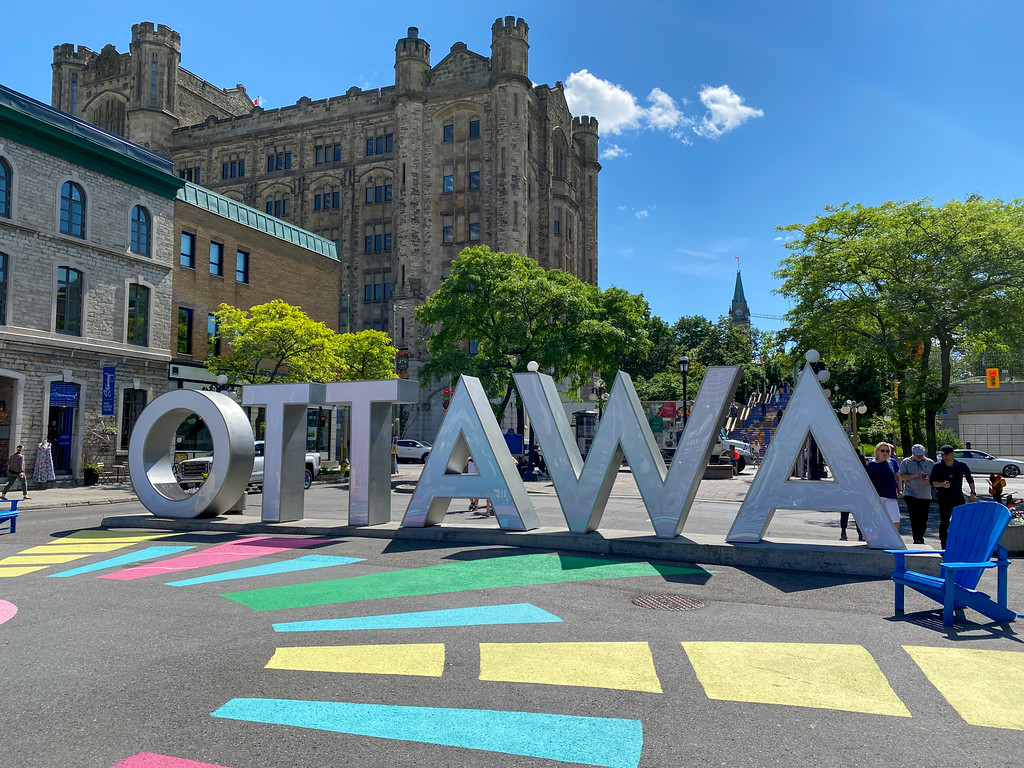
8. Ottawa, Ontario
Higher Costs with Strong Employment Prospects
As Canada’s capital, Ottawa has higher housing costs.
- Housing: CAD 1,800
- Transportation: CAD 130
- Food: CAD 250–500
Estimated total monthly cost: CAD 2,180–2,430
Ottawa offers strong opportunities in government, public administration, and technology sectors. For students prioritizing career access over cost, it remains a solid option.
9. Laval, Quebec
Near Montreal, Slightly Higher Costs
Laval provides proximity to Montreal with slightly increased living costs.
- Housing: CAD 1,500
- Transportation: CAD 280
- Food: CAD 350–550
Estimated total monthly cost: CAD 2,130–2,330
Students who want access to Montreal’s opportunities without living directly in the city may consider Laval.
10. Abbotsford, British Columbia
Highest Cost Among This List
Abbotsford is among the more expensive cities evaluated.
- Housing: CAD 1,870
- Transportation: CAD 250
- Food: CAD 350–550
Estimated total monthly cost: CAD 2,470–2,670
British Columbia offers high quality of life, but students should prepare for significantly higher living expenses compared to central provinces.
Final Ranking: Most Affordable to Most Expensive
- Saskatoon
- Moncton
- Montreal
- Winnipeg
- Calgary
- Sherbrooke
- Halifax
- Ottawa
- Laval
- Abbotsford
What Is the Average Cost of Living in Canada for International Students in 2026?
In 2026, international students should expect to budget between CAD 1,700 and CAD 2,600 per month, depending on the city. Housing remains the largest expense, followed by food and transportation.
Students in central provinces and smaller cities typically experience lower overall costs compared to those in Ontario and British Columbia.
Final Thoughts
Canada offers diverse academic opportunities across provinces, but living costs vary widely. Choosing one of the most affordable student cities in Canada can significantly reduce financial pressure and allow you to focus on your education.
If your priority is minimizing expenses, cities like Saskatoon, Moncton, and Montreal provide strong value. If career networking and large metropolitan exposure matter more, you may consider Ottawa or Calgary despite slightly higher costs.
Your ideal city should balance budget, education quality, lifestyle preferences, and long-term immigration plans.
FAQ
. What is the cheapest city in Canada for international students in 2026?
Saskatoon and Moncton are currently among the most affordable cities for international students in Canada. Monthly living costs in these cities typically range between CAD 1,680 and CAD 1,830, depending on housing type and lifestyle. Smaller cities in provinces like Saskatchewan, Manitoba, and New Brunswick generally offer lower rent compared to Ontario and British Columbia.
2. How much money does a student need per month to live in Canada?
On average, international students in Canada should budget between CAD 1,700 and CAD 2,600 per month. This includes rent, groceries, transportation, and basic personal expenses. Students living in major cities like Toronto or Vancouver may need a higher monthly budget, while those in smaller cities can manage with less.
3. Is Montreal an affordable city for students compared to Toronto?
Yes, Montreal is significantly more affordable than Toronto in terms of rent and public transportation. While Toronto’s housing costs are among the highest in Canada, Montreal offers relatively lower monthly rent and cheaper transit passes, making it one of the best cost-to-quality education cities in Canada.
4. What factors affect the cost of living for students in Canada?
The main factors influencing student living costs in Canada include housing type (shared vs. private accommodation), city size, grocery expenses, transportation needs, and lifestyle habits. Housing is usually the largest expense, accounting for up to 50–60% of a student’s monthly budget.
5. Are smaller Canadian cities better for saving money as a student?
In many cases, yes. Smaller cities typically offer lower rent, less competition for housing, and lower overall living costs. While they may have fewer entertainment options than major metropolitan areas, they can provide a more financially manageable environment for international students.