





Applying for a visa is one of the most sensitive steps in any immigration journey. Whether you are planning to study, work, or travel abroad, even a small mistake in your application can lead to delays or rejection. Every year, a large number of applicants face visa refusals not because they are unqualified, but because they overlook simple yet critical details.
This guide explains the most common visa application mistakes in 2026 and provides practical strategies to avoid them.
Why Visa Applications Get Rejected
Visa officers assess applications based on three main factors: accuracy, completeness, and credibility. Your application must present a clear, consistent, and verifiable story. Any inconsistency, missing document, or unclear purpose can raise concerns.
The majority of visa rejections are linked to preventable errors such as incorrect information, weak financial proof, or failure to demonstrate intent.
1. Submitting Incomplete or Incorrect Application Forms
One of the most frequent mistakes is submitting forms with missing or incorrect information. Even minor errors such as incorrect passport numbers, spelling mistakes, or wrong dates can lead to rejection.
How to Avoid It
Carefully review every section of the application before submission. Ensure that all details exactly match your passport and official documents. Avoid rushing through the process. Take time to double-check names, dates, and numerical entries.
2. Missing or Insufficient Supporting Documents
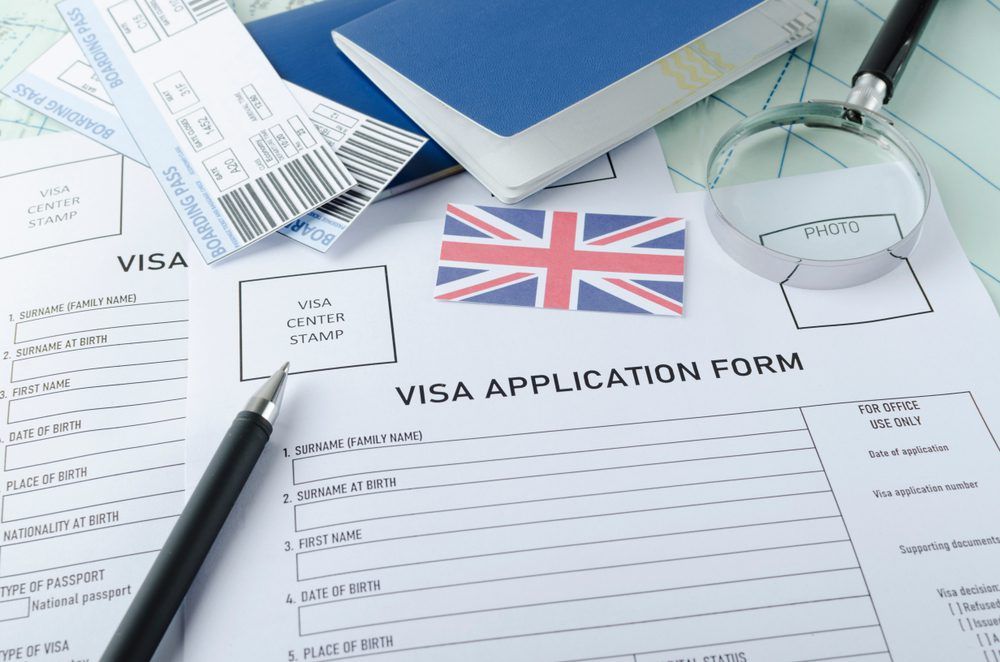
Many applicants underestimate the importance of supporting documents. Submitting an incomplete file, even if the main form is correct, can result in automatic refusal.
Commonly missing documents include financial statements, admission letters, and employment proof.
How to Avoid It
Use a detailed checklist specific to your visa type and destination. Prepare all required documents in advance and organize them clearly. Make sure each document is up to date and meets the required format.
3. Providing Inconsistent Information
Inconsistency across documents is a major red flag. If your application form says one thing but your documents suggest something else, your credibility is immediately questioned.
How to Avoid It
Ensure that all information across your application, supporting documents, and previous visa records is consistent. Pay special attention to job titles, addresses, travel history, and timelines.
4. Applying Too Late or Without Proper Planning
Timing plays a crucial role in visa applications. Applying too late can lead to missed deadlines or rushed submissions, which often contain errors.
How to Avoid It
Start preparing your application at least three to six months before your intended travel date. This allows enough time to gather documents, correct mistakes, and handle unexpected delays.
5. Choosing the Wrong Visa Type
Applying under the wrong visa category is a critical mistake that can lead to immediate rejection. Each visa type has specific requirements and purposes.
How to Avoid It
Clearly define your purpose of travel and select the appropriate visa category. If you are unsure, review official guidelines carefully or seek professional advice.
6. Weak Proof of Financial Support
Financial stability is a key factor in visa approval. If you fail to demonstrate sufficient funds or provide unclear financial records, your application may be rejected.
How to Avoid It
Provide recent and well-documented financial statements. Ensure that your funds meet the minimum requirements for your destination. If you have a sponsor, include a formal sponsorship letter along with supporting financial documents.
7. Poor Interview Preparation
For visa types that require an interview, lack of preparation can be a serious disadvantage. Many applicants fail because they cannot clearly explain their plans or provide consistent answers.
How to Avoid It
Prepare for common interview questions related to your purpose of travel, financial situation, and future plans. Practice your responses and ensure they align with your documents. Confidence and clarity are essential.
8. Unclear Purpose of Travel
Visa officers need to understand exactly why you are traveling. A vague or poorly explained purpose can raise doubts about your intentions.
How to Avoid It
Clearly state your purpose and support it with relevant documents. For example, if you are applying for a student visa, include your admission letter and study plan. If you are traveling for tourism, provide a detailed itinerary.
9. Not Demonstrating Strong Ties to Your Home Country
For many visa types, especially short-term visas, applicants must prove that they intend to return to their home country. Failure to demonstrate strong ties can result in rejection.
How to Avoid It
Provide evidence such as employment contracts, business ownership, property documents, or family responsibilities. These help show that you have valid reasons to return after your visit.
10. Submitting Incorrect or Non-Compliant Photos
Visa applications often require photos that meet strict specifications. Incorrect photo size, background, or quality can lead to delays or rejection.
How to Avoid It
Follow the exact photo guidelines provided by the embassy or visa center. It is best to use a professional service that is familiar with visa photo requirements.
11. Ignoring Updated Immigration Rules
Immigration policies and visa requirements are constantly evolving. Relying on outdated information can result in submitting incorrect documents or missing new requirements.
How to Avoid It
Always check the latest guidelines from official sources before submitting your application. Make sure you are aware of any recent changes in procedures or documentation requirements.
12. Lack of Attention to Detail
Many visa applications fail not because of major issues, but due to small oversights. Poor formatting, missing signatures, or incorrect file uploads can negatively impact your application.
How to Avoid It
Pay close attention to every detail. Review your entire application carefully before submission. Treat the process with the same level of precision as a professional document.
Final Visa Application Checklist
Before submitting your application, review the following:
- All fields are completed accurately
- Documents are complete and organized
- Information is consistent across all files
- Financial proof meets requirements
- Correct visa category is selected
- Interview preparation is done if required
- Deadlines are met
Conclusion
Visa applications require careful preparation and attention to detail. Most mistakes are avoidable with proper planning and awareness. By understanding the common errors outlined in this guide and applying the recommended strategies, you can significantly improve your chances of approval.
A successful visa application is not about complexity. It is about accuracy, consistency, and preparation. If you approach the process methodically and avoid these common pitfalls, you position yourself for a much stronger outcome.
Frequently Asked Questions (FAQ)
1. What is the most common reason for visa rejection?
The most common reason is submitting incomplete or incorrect information. Even small mistakes or missing documents can lead to rejection because they reduce the credibility of the application.
2. How can I increase my chances of visa approval?
You can improve your chances by ensuring your application is complete, accurate, and consistent. Providing strong financial proof, a clear purpose of travel, and proper documentation also plays a key role.
3. How early should I apply for a visa?
It is recommended to apply at least three to six months before your intended travel date. This gives you enough time to prepare documents and avoid last-minute mistakes.
4. Does visa rejection affect future applications?
Yes, a previous rejection can impact future applications, especially if the same mistakes are repeated. However, you can still be approved if you address the issues and submit a stronger application.
5. Is a visa interview important for approval?
Yes, if required, the visa interview is very important. It allows officers to assess your intentions, confidence, and consistency. Proper preparation can significantly improve your chances of success.