
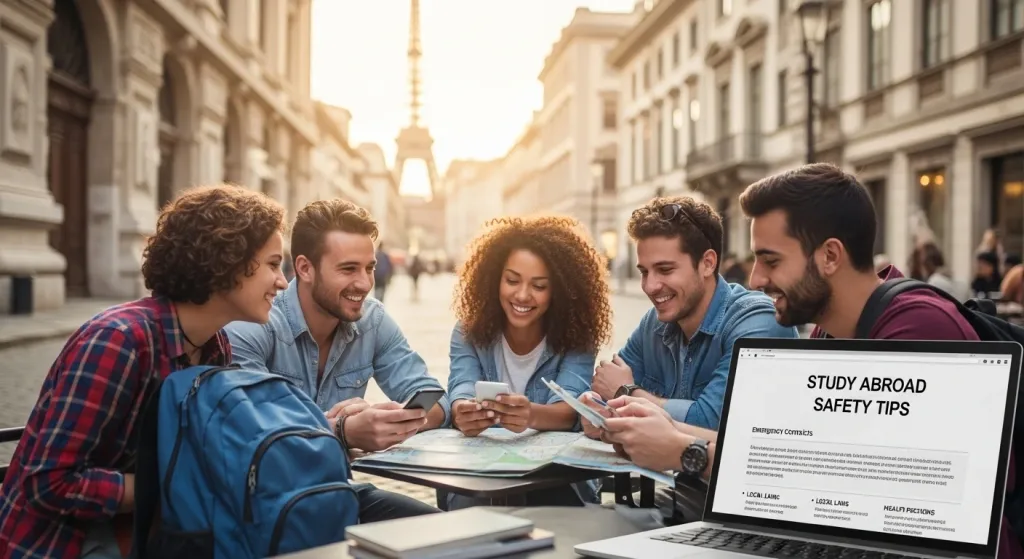




Studying abroad is an exciting step that opens doors to global education, cultural immersion, and career growth. But alongside the benefits comes a responsibility many students underestimate: personal safety. Moving to a new country means adapting to unfamiliar laws, environments, and social norms. Without proper preparation, even small mistakes can lead to serious problems.
This guide breaks down everything you need to know about study abroad safety, from pre-departure planning to staying secure in your host country. If you approach this strategically, you can focus on your studies and experiences without unnecessary risks.
1. Research Your Destination Thoroughly
Safety starts before you even book your flight.
Every country—and even each city—has its own safety profile. What’s considered normal in one place may be risky in another.
What to Research:
- Crime rates in your destination city
- Safe vs. unsafe neighborhoods
- Local laws and regulations
- Cultural norms and behavior expectations
- Political stability and recent news
For example, some European cities are very safe overall but still have pickpocketing hotspots in tourist areas. Understanding these details helps you avoid preventable issues.
Action step: Use official government travel advisories and university resources instead of relying only on social media opinions.
2. Understand Local Laws and Regulations
One of the biggest mistakes international students make is assuming laws are similar everywhere.
They are not.
In some countries, minor actions like jaywalking, drinking in public, or downloading certain content can lead to fines—or worse.
Key Areas to Check:
- Alcohol and drug laws
- Residency and visa requirements
- Work limitations (e.g., 20 hours/week rules)
- Identification requirements
Violating visa conditions, for example, can lead to deportation or future visa bans.
Bottom line: Ignorance of the law is never an excuse.
3. Secure Your Documents
Your passport and residence permit are your most important assets abroad.
Losing them can turn into a stressful and expensive situation.
Best Practices:
- Keep physical copies of your passport and visa
- Store digital copies in secure cloud storage
- Avoid carrying original documents unless necessary
- Use a secure folder or travel wallet
If your documents are lost or stolen, contact your embassy immediately.
Pro tip: Register with your embassy when you arrive—this can help in emergencies.
4. Choose Safe Accommodation
Where you live directly impacts your safety.
Safer Options:
- University dormitories
- Verified student housing providers
- Well-reviewed shared apartments
What to Avoid:
- Unverified online listings
- Deals that seem “too good to be true”
- Locations far from public transport or campus
If you’re studying in cities like Amsterdam or Milan, housing demand is high, which increases the risk of scams.
Rule: Never transfer money before verifying the property.
5. Learn Basic Safety Habits
Most safety issues abroad are not dramatic—they’re preventable.
Everyday Safety Tips:
- Avoid displaying expensive items
- Stay alert in crowded areas
- Don’t walk alone late at night in unfamiliar neighborhoods
- Use official taxis or trusted ride apps
- Keep emergency contacts saved on your phone
Pickpocketing is one of the most common issues students face, especially in major cities.
Reality check: Being “careful” is more effective than being “lucky.”
6. Manage Your Finances Safely
Financial security is a big part of overall safety.
Smart Practices:
- Use a mix of cash and card
- Avoid carrying large amounts of cash
- Use secure ATMs (preferably inside banks)
- Monitor your bank transactions regularly
Scams targeting international students are common, especially online.
Common Scams:
- Fake landlords
- Scholarship fraud
- Phishing emails pretending to be universities
Advice: If something feels off, pause and verify before taking action.
7. Get Proper Health Insurance

Health emergencies abroad can be extremely expensive without insurance.
In many countries, health insurance is mandatory for international students.
What Your Insurance Should Cover:
- Doctor visits
- Hospitalization
- Emergency treatment
- Mental health support
In Europe, students often use systems linked to the European Health Insurance Card, depending on eligibility.
Important: Always understand what is and isn’t covered.
8. Build a Support Network
Isolation increases vulnerability.
One of the smartest things you can do is build connections early.
Ways to Build Your Network:
- Join university groups and clubs
- Connect with other international students
- Attend orientation sessions
- Stay in touch with family and friends
If something goes wrong, having people around you makes a huge difference.
Truth: Safety is not just physical—it’s also emotional and social.
9. Use Technology to Stay Safe
Your phone can be one of your best safety tools—if used correctly.
Useful Tools:
- Navigation apps (Google Maps, Citymapper)
- Emergency alert apps
- Location sharing with trusted contacts
- Translation apps
Many countries also have official emergency apps that notify users about local risks.
Tip: Always keep your phone charged when you’re outside.
10. Emergency Preparedness
Even with preparation, unexpected situations can happen.
Be Ready for:
- Medical emergencies
- Theft or loss of belongings
- Natural disasters
- Political unrest
Key Steps:
- Know local emergency numbers (e.g., 112 in Europe)
- Locate the nearest hospital and police station
- Keep emergency contacts easily accessible
Simple rule: Preparation reduces panic.
11. Cultural Awareness and Respect
Cultural misunderstandings can sometimes lead to uncomfortable or even risky situations.
Examples:
- Dress codes in certain regions
- Gender norms
- Communication styles
Respecting local culture not only helps you integrate but also keeps you out of unnecessary trouble.
Mindset shift: You are a guest in another country—act accordingly.
12. Mental Health and Well-being
Safety is not only about avoiding physical danger—it also includes mental health.
Living abroad can be overwhelming, especially in the first few months.
Common Challenges:
- Culture shock
- Loneliness
- Academic pressure
What Helps:
- University counseling services
- Regular routines
- Staying socially active
Ignoring mental health can impact both your safety and academic success.
Conclusion
Studying abroad is one of the most rewarding experiences you can have—but only if you approach it responsibly. Safety is not about fear; it’s about awareness and preparation.
By researching your destination, understanding local laws, protecting your documents, and building strong habits, you significantly reduce your risks. Most problems international students face are preventable with the right mindset.
If you treat safety as part of your planning—not an afterthought—you set yourself up for a successful and enjoyable journey abroad.
FAQ
1. Is studying abroad safe for international students?
Yes, most countries are safe, especially in Europe, but students must follow basic safety practices and stay aware of their surroundings.
2. What are the biggest risks for students abroad?
Common risks include pickpocketing, scams, housing fraud, and misunderstanding local laws.
3. Do I need health insurance to study abroad?
Yes, most countries require international students to have valid health insurance.
4. How can I avoid scams as a student abroad?
Always verify information, avoid upfront payments, and use official platforms for housing and university communication.
5. What should I do in an emergency abroad?
Contact local emergency services, inform your embassy, and reach out to your university’s support services immediately.